
Probiotic supplements contain live microorganisms, and from the day they are made their numbers slowly fall. Good storage slows that decline so the product can still meet the count on its label by the best-before date. Much of the work is done by the manufacturer's choice of strains and packaging, but how you keep the product at home matters too.
How heat, moisture and oxygen affect probiotics
Heat speeds up the decline of most cultures, which is why a shelf above the cooker or a hot car are poor places for a probiotic. Moisture matters just as much, because the dried cultures in capsules and powders stay dormant only while they are kept dry. Once they absorb water from the air, they can lose viability quickly.
Oxygen affects some cultures more than others, and certain bifidobacteria are particularly sensitive to air. Spore-forming species such as Bacillus coagulans tolerate heat and moisture far better, which is one reason they are used in gummies and other formats that involve heating.
Probiotic storage: fridge or shelf-stable?
Some probiotics need to be kept in the fridge, while others are formulated and packed to stay stable at room temperature. Neither type is automatically better. What matters is that you follow the storage instructions on the label, because the stated count assumes the product has been kept that way.
When buying a fridge product, check that it has been kept chilled in the shop and get it into your own fridge promptly. A shelf-stable product should still be kept somewhere cool and dry, away from steam and direct sunlight.
After you open the pack
Opening a bottle or tub lets in moist air each time, so some labels ask you to refrigerate after opening or to use the contents within a set period. Close the lid firmly straight after use, leave any desiccant sachet in place and avoid handling capsules with damp hands. Keep the product in its original container rather than a pill organiser, unless the label says otherwise.
Travelling with probiotics
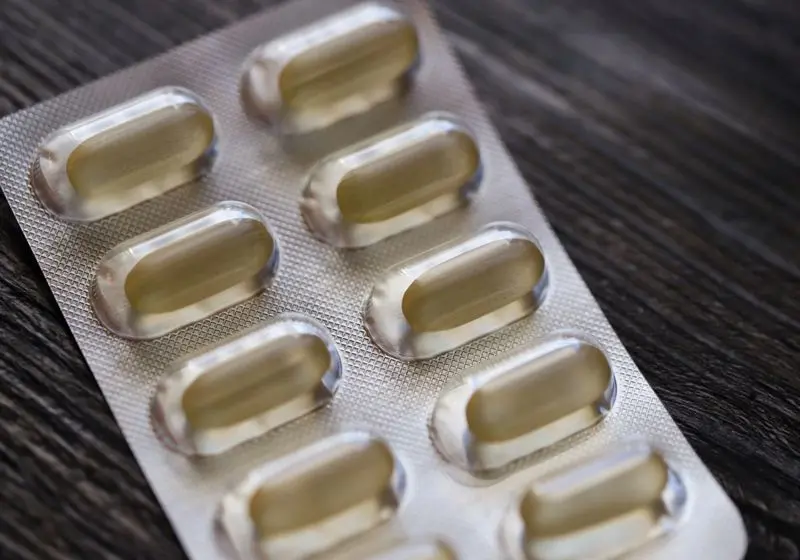
Blister packs and individual sachets travel well because each dose stays sealed until you use it. If your product needs refrigeration, check the label for guidance on time out of the fridge and use a cool bag on longer trips. Avoid leaving any probiotic in a parked car or in direct sun, where temperatures can climb quickly.
Packaging types compared
Packaging is the main defence against moisture and air. The table below shows how common pack types protect the cultures and what to check on each, and our page on probiotic types explains how each format is usually packed.
| Packaging | How it protects the cultures | What to check |
|---|---|---|
| Foil blister packs | Each dose is sealed against moisture and air until you press it out | The foil is intact and not punctured |
| Sachets and stick packs | Each serving is sealed in its own pouch | Use the whole sachet once it is opened |
| Bottles with desiccant | A desiccant sachet or lined cap absorbs moisture inside the container | The desiccant stays in and the lid is closed tightly |
| Dropper bottles | Oil-based drops keep the cultures suspended away from water | Any instruction to refrigerate after opening |
| Tubs of powder | Convenient for larger servings, though opened often | A dry scoop is used and the lid resealed straight away |
What best-before dates mean
A best-before date is the date until which the business expects the product to keep its stated quality, provided it is stored as the label says. For a probiotic, that usually includes the CFU count, which is why it helps to check whether the count applies to the best-before date or only at manufacture. Our guide to understanding CFU counts explains the difference.
What to do if a product was stored badly
If a probiotic has been left somewhere hot, got damp or was not refrigerated as the label asks, the live count may have dropped below the figure on the pack. Do not use a product that looks or smells unusual, has clumped together or has damaged packaging. For anything else, contact the business named on the label, quoting the batch code and best-before date, and ask for their advice.
If you have any health concerns, speak to a pharmacist. You can also ask us a question about storage wording you find unclear, or read our guide on how to read a probiotic label.