What gummies do well
- Chewable, with no capsules to swallow and nothing to mix
- Usually kept at room temperature in a cool, dry place
- Easy to remember as part of a daily routine
- Pectin-based gummies can suit vegans when the other ingredients do too

Probiotic gummies
Probiotic gummies are easy to take and pleasant to chew, but the format limits which cultures can be used and how much fits in each piece. This guide from Probiotic Supplements UK explains which strains survive in gummies, what the recipe adds and what to check before you buy.
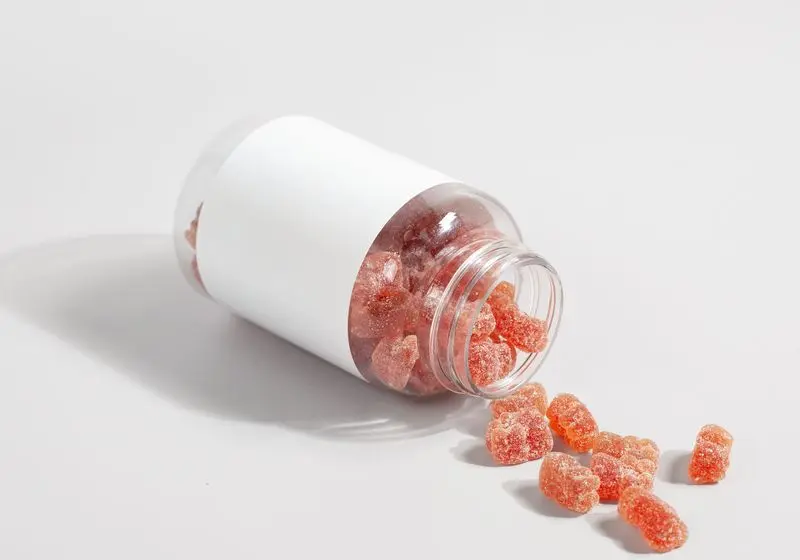
Gummies trade some flexibility for convenience. These are the points worth weighing up.
Gummies are made by cooking a gelling mixture, pouring it hot into moulds and leaving the pieces to set. That heat, together with the moisture left in the finished gummy, is hard on most live cultures. Spore-forming bacteria cope much better because they sit inside a tough protective coat, which is why most probiotic gummies use them.
Bacillus coagulans is the spore-former you will see most often on gummy labels, and Bacillus subtilis also appears. Lactobacilli and bifidobacteria are far less suited to the process, so if a gummy lists them, check that the label states the count until the best-before date. If you want a product built on those groups, a capsule or powder is usually the more practical choice. Our strain guide explains how the main groups differ.
It is a fair question, and the honest answer is that it depends on the strain and the amount rather than the format. Research on one strain does not automatically apply to another strain, even of the same species, and no health claims are currently authorised for probiotics in Great Britain. A gummy cannot promise any particular effect, and neither can a capsule or a powder.
What you can judge is whether the gummy delivers what its label says. Look for a full strain name, a CFU figure stated until the best-before date and a strain that suits the format. Gummies carry less culture per serving than most capsules or powders, because most of each piece is gelling agent and sweetener. If a gummy pack mentions immune function, check which ingredient the wording refers to, as it will relate to an added vitamin such as vitamin D or C rather than to the cultures. Our quality guide explains how to weigh up these details.
The recipe decides whether a gummy suits your diet, so it deserves as much attention as the cultures.
Gelatine is animal-derived, so it is not suitable for vegans or vegetarians. Pectin is a plant-based gelling agent that copes better with warm conditions. Check the ingredients for the base and any coating, such as beeswax, and see our guide to reading a probiotic label for where to look.
Standard gummies are made with sugar and glucose syrup. Check the ingredients list and any nutrition information on the pack, especially if the serving is more than one gummy or you are buying for a household.
Sugar-free gummies often use polyols such as maltitol, isomalt or sorbitol. Above a set level, the label must warn that excessive consumption may produce laxative effects, so follow the serving size closely.
Look for the full strain name, the CFU per serving until the best-before date, the gummy base and the sweetener. The pack should also carry the words "food supplement", a do-not-exceed warning and a keep-out-of-reach-of-children statement, which matters more than usual because gummies look like sweets. Our guide to choosing a probiotic supplement walks through the rest.
Spore-forming gummies are normally kept at room temperature, but heat and humidity make the pieces soften and stick together. Keep the pot closed and away from sunlight, and follow any instruction on the label.
Gummies tend to suit adults who dislike capsules and prefer something chewable, as long as they are comfortable with a narrower strain choice and some sugar or polyols. Speak to a pharmacist or GP before giving a probiotic gummy to a child. To compare other options, see our guide to probiotic types or read about liquid probiotic drops, and if a gummy label leaves you unsure, ask us a question.
FAQs
No format works better for everyone, and any effect depends on the specific strain and amount. Gummies usually carry fewer cultures per serving and a narrower choice of strains than capsules. If those limits do not matter to you and you prefer to chew, a gummy can be a practical option.
It forms spores, which protect it from the heat used to make gummies. Most lactobacilli and bifidobacteria are far less tolerant of that heat, which is why spore-formers are the usual choice for this format.
Some are and some are not. Pectin gummies can be vegan while gelatine gummies are not, and coatings or the cultures' growth media can also matter. Check the ingredients list and look for a clear vegan statement.
Some are labelled for children, but speak to a pharmacist or GP before giving any probiotic to a child. Keep gummies out of reach, because they look like sweets, and never give more than the label states.
Tell us which strain, sweetener or storage wording you are unsure about, and we will reply by email in plain English. We are independent and never recommend specific brands.