Independent, brand-neutral guides to probiotic supplements. Ask us a question

Liquids and drops

Liquid probiotic drops: what to know before you buy

Liquid probiotic drops suspend live cultures in oil and are measured out with a dropper, which makes them easy to add to cool food or drink. This guide from Probiotic Supplements UK explains how drops work, what to check on the bottle and what parents should know about probiotic drops for children.

  • How oil suspension keeps cultures dormant
  • Dropper servings, strains and vitamin D
  • Storage and advice for children
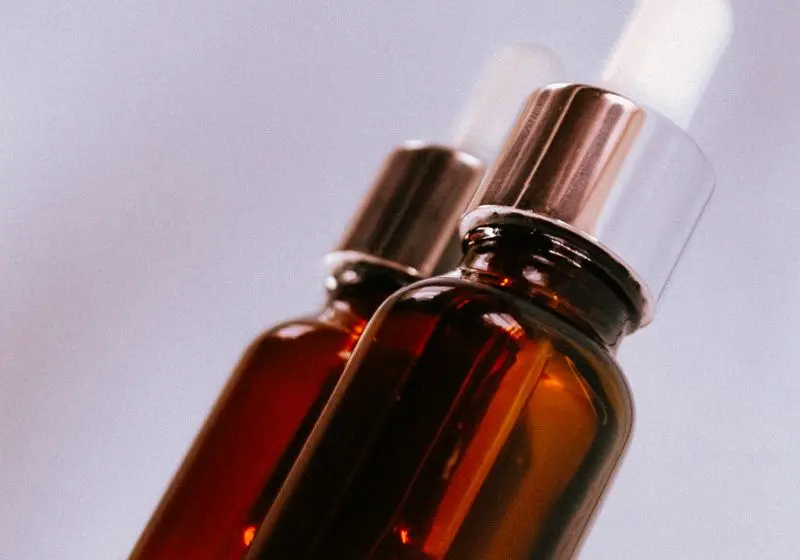
Two amber glass dropper bottles in soft light
Probiotic drops

Pros and cons of liquid probiotic drops

Drops are simple to give and easy to carry, although they hold less than other formats. Here is how they compare.

What drops do well

  • Nothing to swallow whole, which suits people who cannot manage capsules
  • A serving is a set number of drops, given on a spoon or in cool food
  • Short ingredient lists, often a carrier oil and one or two strains
  • Small bottles that are easy to carry

Where drops fall short

  • Fewer cultures per serving than most capsules or powders
  • Usually one or two strains rather than a wide blend
  • Cultures settle over time, so the bottle needs shaking before use
  • Some drops need to go in the fridge once opened

How liquid probiotic drops work

Water is a poor home for dried cultures, because it wakes the bacteria up and their numbers fall quickly. In an oil suspension the cultures stay dry and dormant, spread through a carrier oil that keeps moisture and much of the air away from them. That is why most probiotic drops sold as food supplements are oil-based, while chilled fermented drinks are a different kind of product with their own storage needs.

Sunflower oil and medium-chain triglyceride (MCT) oil are common carriers. Cultures can settle to the bottom over time, so labels usually tell you to shake the bottle before each use. Drops tend to carry one or two strains, such as Limosilactobacillus reuteri (formerly Lactobacillus reuteri) or Bifidobacterium animalis subsp. lactis. You can find out more about these groups in our probiotic strain guide.

Probiotic drops for children

Speak to a pharmacist or GP before giving probiotics to a baby or child. They can tell you whether a product is suitable and take account of any health conditions or medicines.

Many probiotic drops are aimed at families, because a few drops are easy to give on a spoon or mix into cool food. Products for babies face extra rules, and age guidance varies from one product to the next, so read the label carefully and follow it exactly. Never add drops to a hot bottle, meal or drink, since heat damages live cultures.

Some children's drops also contain vitamin D, which dissolves well in oil. Any health claim on those packs relates to the vitamin rather than the cultures, because no health claims are currently authorised for probiotics in Great Britain. If a child already takes a vitamin D supplement, ask a pharmacist before adding another product that contains it. Our guide to choosing a probiotic supplement covers the wider questions to ask.

What to check on the bottle and pack

  1. Strain names and CFU per serving

    Check that each culture is listed by genus, species and strain code, and that the CFU figure is given per serving until the best-before date. Our guide to CFU counts explains why that matters.

  2. Serving size in drops

    The label should state how many drops make a serving and the recommended daily dose. Use the dropper supplied with that bottle, because droppers differ.

  3. Carrier oil and allergens

    Check the type of oil and any allergens, which should be emphasised in the ingredients list. If you need a vegan product, check the vitamin D source too, since D3 is often made from lanolin.

  4. Pack and storage wording

    Amber glass protects the oil from light, and a tamper-evident cap shows the bottle has not been opened. Read the storage line and any period of use after opening.

Storing drops and who they tend to suit

Storing liquid probiotics

Many drops are stable at room temperature until opened, and some should be kept in the fridge afterwards. The right instruction depends on the product, so follow the label rather than a general rule. Keep the cap tightly closed, keep the dropper clean and away from your mouth, and store the bottle away from heat and sunlight.

Who drops tend to suit

Drops tend to suit people who cannot swallow capsules and families who want a small, flexible serving, once a pharmacist or GP has been consulted about any child. If you want a wider strain blend or a higher count, compare capsules and powders and sachets, or see how gummies compare on our probiotic types page. The quality guide covers how to judge any product, and you can ask us a question at any time.

FAQs

Liquid probiotic drop questions

Do probiotic drops need to be kept in the fridge?

It depends on the product. Many drops are stable at room temperature before opening, and some should be refrigerated afterwards. The storage instructions on the label are set for that product, so follow them.

Why are probiotic drops made with oil?

Water wakes up dried cultures and their numbers fall quickly. Oil keeps them dry and dormant, which is why most probiotic drops are oil suspensions. Shake the bottle before use, because the cultures can settle.

Can I give probiotic drops to my baby?

Speak to a pharmacist or GP before giving any probiotic to a baby or child, as they can advise on whether a product is suitable. If you go ahead, follow the age guidance and serving size on the label exactly.

Can I add probiotic drops to a warm drink?

Heat damages live cultures, so add drops to something cool or at room temperature, or put them on a spoon. Take the serving soon after mixing rather than leaving it to stand.

We can answer your questions about probiotic drops

Tell us what you would like to know about a bottle of drops or its label, and we will reply by email. We are independent and do not sell supplements or recommend brands.