What capsules do well
- A measured dose in each capsule, with no scooping or counting drops
- Little or no taste, and nothing to mix
- Room for multi-strain blends and specialist shells
- Compact packs that travel well, especially foil blisters

Probiotic capsules
Probiotic capsules are the most familiar way to take live cultures in the UK, yet products on the shelf can be hard to compare. This independent guide from Probiotic Supplements UK explains capsule shells, vegan options, label checks and storage so you can judge any product for yourself.
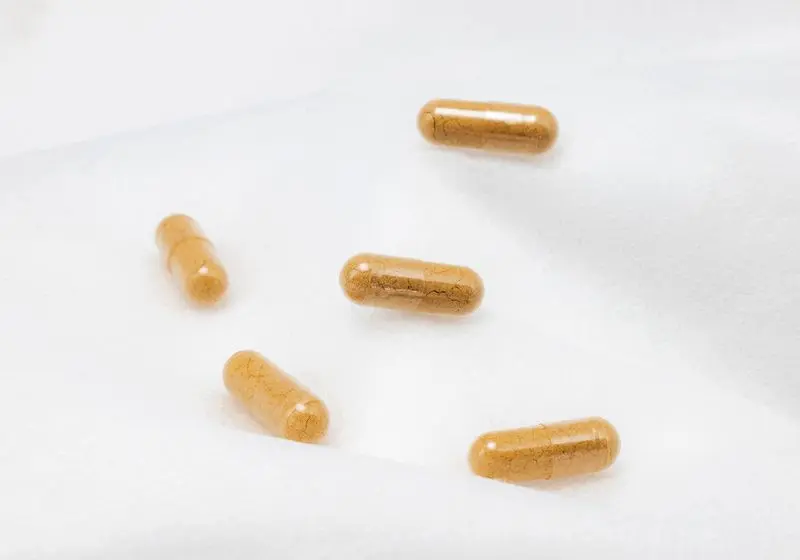
Capsules suit a lot of people, although they are not the right fit for everyone. These are the main trade-offs to weigh up before you buy.
Most vegan probiotic capsules use HPMC (hydroxypropyl methylcellulose), a shell made from plant cellulose. It holds less water than gelatine, which helps because moisture inside a capsule is one of the main reasons live cultures lose viability. Pullulan, a plant-based shell produced by fermentation, is another option you may see listed.
Gelatine comes from animal collagen, usually pork or beef, so it is not suitable for vegans or vegetarians and may not suit some religious diets. The source is not always stated on the pack, so check the ingredients list or ask the seller if it matters to you.
Acid-resistant shells are designed to stay closed for longer in stomach acid, and delayed-release capsules use a special shell or coating so they open later in the digestive tract. Many strains tolerate acid reasonably well in a standard capsule, so a specialist shell is a design choice rather than a sign of quality on its own. Opening one of these capsules and sprinkling the contents bypasses the shell, so follow the label on whether capsules can be opened.
A few minutes with the label tells you most of what you need to know. These are the four checks that matter most for capsules.
Look for the genus, species and strain code for every culture, for example Lacticaseibacillus rhamnosus followed by letters or numbers. Research on one strain does not automatically apply to another of the same species, so the code matters. Older names such as Lactobacillus rhamnosus still appear, because many species were renamed in 2020.
Check whether the count is stated until the best-before date or only at the time of manufacture. A higher number is not automatically better, and a count that holds to the end of shelf life tells you more about the product.
The ingredients list names the shell material. For a vegan capsule, check the cultures and fillers too, since some cultures are grown on dairy-based media. Allergens should be emphasised in the list, and our guide to reading a probiotic label shows where to find each item.
Foil blisters seal each capsule individually, while bottles should have a tight seal and often a desiccant. Read the storage line before you buy, especially if the product needs to go in the fridge.
Live cultures decline faster with heat, moisture and oxygen, so storage makes a real difference to what is left by the best-before date. Follow the instructions on the pack exactly. Some capsules are stable in a cool, dry cupboard, while others need the fridge, either from the day you buy them or once the pack is opened.
A bathroom cabinet or a sunny windowsill is a poor spot, because both get warm and humid. If the bottle contains a desiccant sachet or canister, leave it in place, close the lid straight after use and keep the desiccant away from children. Blister packs protect each capsule until you press it out, which makes them handy for travel. Our guide to probiotic storage and shelf life explains why these details matter.
Capsules tend to suit adults who are happy to swallow a capsule each day and want a measured dose with no taste. They are also a sensible choice if you are interested in a particular multi-strain blend, because capsules can carry a wider choice of strains than a gummy. You can read about the main groups of cultures in our probiotic strain guide.
If swallowing is a problem, a probiotic powder or sachet mixes into cold food or drink, liquid drops are measured with a dropper and probiotic gummies are chewed. Our comparison of probiotic types puts them side by side, and the quality guide explains how to judge any product. If a capsule label puzzles you, ask us a question and we will reply by email.
FAQs
The shell material does not decide how good a probiotic is. HPMC shells hold less water than gelatine, which can help protect live cultures, and they suit vegans and vegetarians. The strains, the count at the best-before date and the packaging matter more.
Some labels say this is fine and others advise against it, so follow the instructions on the pack. Opening an acid-resistant or delayed-release capsule bypasses the shell's design. If you do mix the contents into food, choose something cold or at room temperature, because heat damages live cultures.
Some do and some do not. The storage instructions are set for that product, so check them before you buy and again once you open the pack. A cool, dry place away from steam and sunlight suits most capsules that do not need chilling.
Follow the directions on the label, since the advice varies between products. If you take medication, including antibiotics, are pregnant or breastfeeding, or have a weakened immune system, speak to a pharmacist or GP before starting a probiotic.
Tell us what the label says and which parts you are unsure about, and we will explain them in plain English by email. We do not sell supplements or recommend brands, so the answer is independent.