Independent, brand-neutral guides to probiotic supplements. Ask us a question

Powders and sachets

Probiotic powder and sachets: a buyer's guide

A probiotic powder comes as single-serve sachets and stick packs or as a tub with a scoop, and you stir it into cold food or drink. This guide from Probiotic Supplements UK explains the trade-offs, what to check on the pack and how to take probiotic powder so the cultures stay in good condition.

  • Sachets and stick packs compared with tubs
  • Prebiotic fibres, flavours and label checks
  • How to mix and store probiotic powder
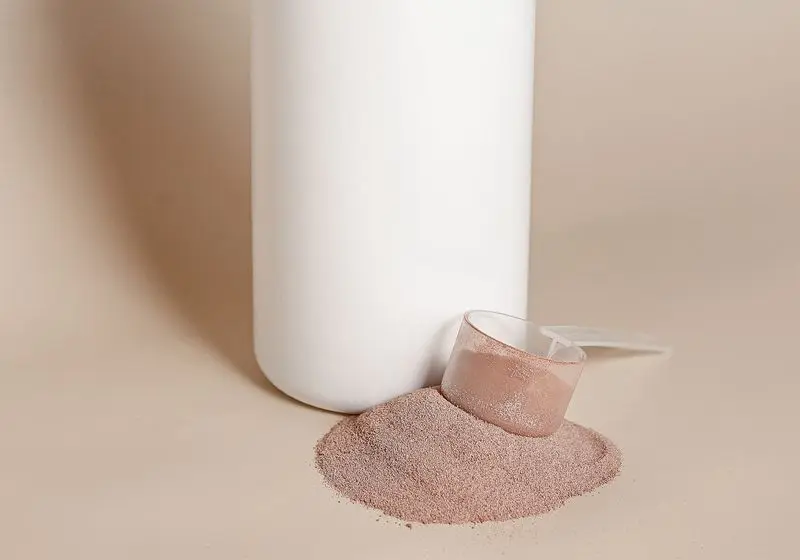
White supplement tub beside a scoop of powder on a neutral background
Powders and sachets

Pros and cons of probiotic powders

Powders are flexible and easy to swallow, although they ask a little more of you each day. Here is how they compare.

What powders do well

  • No capsules to swallow, which suits people who find them difficult
  • A single serving can hold more culture than a typical capsule
  • Room for prebiotic fibres such as inulin, FOS or GOS
  • Sachets and stick packs keep each serving sealed until you open it

Where powders fall short

  • It needs mixing, so it takes a little more effort every day
  • Hot food and drink damage live cultures, which limits how you take it
  • Tubs are opened daily and can take on moisture if left open
  • Flavoured powders may contain sweeteners or acids you would rather avoid

Probiotic sachets and stick packs vs tubs

Sachets and stick packs

Stick packs are slim foil tubes holding one serving, and sachets are flat packs that take a larger fill, which helps when cultures are combined with several grams of fibre. Because each serving sits behind its own foil barrier until you tear it open, sachets and stick packs give strong protection against moisture and air. They are also easy to take to work or on holiday.

Tubs and pouches with a scoop

A tub often costs less per serving, although it is opened every day and lets in a little moisture each time. Look for an inner foil seal, a tight lid and often a desiccant. Always use a dry scoop and close the lid straight away, since powdered cultures draw water from the air. Resealable foil pouches work in a similar way and should be pressed shut after every use.

How to take probiotic powder

Follow the directions on the label first. These general points apply to most products.

  1. Use cold or room-temperature food or drink

    Stir the powder into water, milk, yoghurt or a smoothie that is cold or at room temperature. Hot drinks such as tea and coffee can damage live cultures, so let warm food cool first.

  2. Take it soon after mixing

    Live cultures are not designed to sit in liquid for long, so mix the serving just before you take it rather than preparing it in advance.

  3. Stick to the stated serving

    Use the scoop or sachet supplied and follow the label. Do not exceed the recommended daily dose printed on the pack.

  4. Expect fibre to take some getting used to

    Some people notice wind or bloating at first, particularly with powders that contain prebiotic fibres, which our section on synbiotics explains. If you have any concerns, speak to a pharmacist or GP.

What to check on the label of a probiotic powder

Start with the cultures. Each one should be listed by genus, species and strain code, and the CFU figure should be stated per serving until the best-before date rather than only at manufacture. A higher count is not automatically better, so compare like with like. Our guide to understanding CFU counts explains how to read the number, and the strain guide covers the main groups.

Then read the ingredients list. Powders often contain prebiotic fibres such as inulin, FOS or GOS, which make the product what is sometimes called a synbiotic. Check for flavourings, sweeteners and allergens, which should be emphasised in the list, and look for dairy if you need a dairy-free product, since some cultures are grown on dairy-based media. The words "food supplement", a do-not-exceed warning and a batch code should all appear on the pack.

Storage and who probiotic powders tend to suit

Storing probiotic powder

Keep sachets and tubs in a cool, dry place away from the kettle, the hob and direct sunlight, and follow any refrigeration instruction on the pack. Leave sachets in their outer box until you need them, and once a tub is open, use it within any period the label gives. Our guide to storage and shelf life has more detail.

Who powders tend to suit

Powders tend to suit adults who dislike swallowing capsules or already have a daily smoothie or yoghurt, and anyone interested in a product that combines cultures with fibre. If you would prefer nothing to mix, probiotic capsules are simpler, while gummies and liquid drops are other options. Speak to a pharmacist or GP before giving a powder to a child. You can compare every format on our probiotic types page, read the quality guide or ask us a question.

FAQs

Probiotic powder and sachet questions

Are sachets better than a tub of probiotic powder?

Sachets and stick packs keep each serving sealed in foil until you open it, so they usually protect the cultures better from moisture. A tub often costs less per serving and works well if you close it tightly and keep the scoop dry. Either can be a sound choice when the storage instructions are followed.

Can I mix probiotic powder into a hot drink?

It is wiser not to, because heat damages live cultures. Mix the powder into something cold or at room temperature and take it soon afterwards. If you like it in porridge, let the porridge cool first.

Why does my probiotic powder contain fibre?

Many powders add prebiotic fibres such as inulin, FOS or GOS alongside the cultures. Some people find these fibres cause wind, especially at first, so check the ingredients list if you are sensitive to them.

Can children take probiotic powder?

Some powders are labelled for children, but speak to a pharmacist or GP before giving any probiotic to a baby or child. They can advise on whether a product is appropriate. Always follow the age guidance and serving size on the label.

We can explain any probiotic powder label

Tell us which details on a sachet, stick pack or tub you are unsure about, and we will reply by email in plain English. We are independent and do not sell or recommend any brand.